




Close
  • English
Bali Visa
  • Visa Services
    • Visitor Visa
      • Visa On Arrival (E-VOA)
      • Single Entry Visa for Tourism C1
      • Single Entry Visa for Business C2
      • Multiple Entry Tourist Visitor Visa D1
      • Multiple Entry Business Visitor Visa D2
      • Multiple Entry Pre-Investment Visa D12
      • Pre-Investment Visa C12
      • C22 Internship Visa
      • EPO (Exit Permit Only)
    • Visa Extension
      • Visa On Arrival (E-VOA)
      • Single Entry Visa for Tourism C1
      • Single Entry Visa for Business C2
      • Pre-Investment Multiple Entry Visa D12
    • KITAS(longer stay visa)
      • Pre-Investment Visa C12
      • Investment KITAS E28A
      • Working KITAS
      • Retirement KITAS – E33F
      • Silver Hair Retirement KITAS – E33E
      • Digital Nomad KITAS E33G
      • Family Dependent KITAS
      • Spouse KITAS
      • Child KITAS
      • Parent KITAS
      • Sibling KITAS
      • Student KITAS E30A
      • Second Home KITAS E33
      • Golden Visa Indonesia
      • KITAP (Permanent Stay Permit)
      • Work Permit Indonesia
  • Company Establishment
    • Foreign Investment Company (PMA)
    • Local Investment Company (PMDN)
  • Legal Service
    • Open Bank Account
    • Driver’s License
    • Residency Certificate (SKTT)
    • Police Clearance Certificate (SKCK)
    • LKPM Report
    • Tax Report
  • Blog
  • Virtual Office
  • Contact
Appointment
Logo
Appointment
Logo
  • Berawa No.6, Canggu
  • info@balivisa.co
  • Mon - Fri : 10:00 to 17:00
    Bali Visa > Blog > Travel > Protect Tradition and Community with Bali’s Kuningan Day
Kuningan Day in Bali 2026 – family offerings, temple prayers, community warmth, and shared unity
November 27, 2025

Protect Tradition and Community with Bali’s Kuningan Day

  • By KARINA
  • Travel, Visa Services

Kuningan Day is one of those mornings in Bali when villages feel extra alive. The island’s official cultural calendar highlights it as a special closing to the Galungan period.

For locals, Kuningan Day is not just the end of ten sacred days. It is a farewell moment when ancestors are believed to return to the divine realm, leaving blessings, guidance, and a reminder to live in balance together.

Guidance from the Hindu Religious Affairs office stresses gratitude, harmony, and dharma. On the ground, that spirit appears in shared tasks, quiet jokes, and neighbours helping one another.

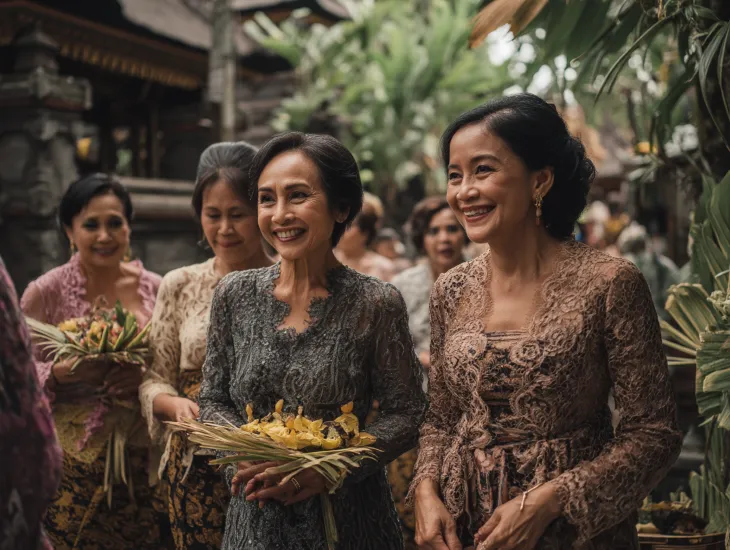
If you walk through a village on Kuningan Day, you will see families moving between shrines and temples, carrying neatly arranged offerings, greeting each other softly, and making sure children understand how to behave respectfully.

Across Bali, Kuningan Day often feels like a rolling reunion. People travel home, share food, tell stories, and reconnect with village roots. The ceremony gives structure; the real magic comes from time spent together.

This guide draws on the Bali tourism community notes and local practice to show how Kuningan Day unites neighbours, and how visitors can join with care rather than disrupt the celebration.

Table of Contents

  • How Kuningan Day Connects Families Across Balinese Villages
  • The Spiritual Meaning of Kuningan Day in Daily Balinese Life
  • Offerings and Rituals That Make Kuningan Day So Distinctive
  • Community Spaces and Temples Alive During Kuningan Day
  • Real Story — One Village’s Journey to Honor Kuningan Day
  • How Children Learn Values and Stories Through Kuningan Day
  • Sharing Food and Music on Kuningan Day Strengthens Bonds
  • Respectful Tips for Visitors Experiencing Kuningan Day
  • FAQ’s About Kuningan Day and Balinese Community Life

How Kuningan Day Connects Families Across Balinese Villages

Kuningan Day arrives ten days after Galungan and turns ordinary village routines into shared celebration. Families clean compounds, refresh decorations, and gather early so everyone can pray before midday.

For many Balinese, this day centres on gratitude for guidance and protection across the year. That feeling shows up in how people greet each other, ask about family health, and check on elders and neighbours.

Because Kuningan Day follows an intense week of preparation, it often feels calmer and more reflective. The relaxed pace gives more room for conversations that reconnect relatives and strengthen quiet bonds.

The Spiritual Meaning of Kuningan Day in Daily Balinese Life

Kuningan Day carries layered meanings about balance, gratitude, and the rhythm of life. Many families see it as a gentle reminder that guidance from ancestors is temporary, so present relationships must be nurtured.

The yellow tones of decorations and rice offerings echo ideas of prosperity and light. They symbolise hope for steady work, healthy children, and harmony between seen and unseen worlds in each household.

Community wise, the meaning of Kuningan Day appears in how differences are set aside. Disputes are often paused, people apologise, and groups focus on shared prayers instead of everyday frustrations.

Offerings and Rituals That Make Kuningan Day So Distinctive

Kuningan Day in Bali 2026 – home shrines, bright offerings, temple visits, and neighbours in prayer

Kuningan Day offerings are one of the most visible signs of the celebration. Trays of fruit, cakes, and yellow rice are prepared with care, then carried to family shrines, crossroads, and village temples.

Each element has meaning. Yellow rice often points to gratitude and prosperity, while woven coconut leaves reflect skill and patience. Families may add favourite foods to honour specific ancestors or deities.

Making offerings becomes a group effort. Children learn how to fold leaves, arrange flowers, and light incense, while older relatives guide the process and quietly explain why each small detail matters.

Community Spaces and Temples Alive During Kuningan Day

Kuningan Day fills temples, community halls, and crossroads shrines with movement. People arrive in waves, greeting neighbours, finding space to sit, and adjusting offerings before the priests begin the rituals.

The shared schedule brings everyone into the same rhythm. When prayers start, streets grow quiet, music softens, and even passing motorists slow down or wait, recognising that something sacred is happening.

After prayers, open spaces around the temple turn into informal meeting points. People exchange news, arrange future help, and sometimes plan community projects while still wearing their ceremonial clothes.

Real Story — One Village’s Journey to Honor Kuningan Day

Kuningan Day used to feel like a quiet obligation in one coastal village, with families praying at home but rarely gathering together. Younger people often left early for work in nearby tourist areas.

A few elders suggested reviving shared activities around Kuningan Day. They organised cleaning the temple, preparing decorations, and cooking simple food that could be shared after the main prayers.

Over time, more residents stayed. Now the village uses Kuningan Day to welcome relatives who work far away, discuss local issues calmly, and introduce new neighbours so nobody feels like a stranger.

How Children Learn Values and Stories Through Kuningan Day

Kuningan Day in Bali 2026 – morning prayers, yellow rice offerings, shared meals, and village unity

Kuningan Day offers many moments where adults pass stories and values to children. On the walk to the temple, they explain why offerings are made, why clothes are worn neatly, and why voices stay gentle.

Inside family compounds, grandparents show younger relatives how to bow, how to hold incense, and how to focus during prayers. These lessons often feel more effective than any formal classroom session.

Because Kuningan Day repeats on a regular cycle, children grow up with these patterns embedded in memory. They come to see respect, cooperation, and patience as normal parts of everyday village life.

Sharing Food and Music on Kuningan Day Strengthens Bonds

Kuningan Day often ends with shared meals that stretch across households. Families send plates of food to neighbours, and visitors passing through may be invited to sit, eat, and join in relaxed conversation.

In some areas, traditional music or simple group singing adds to the atmosphere. Rather than a formal show, it feels like a natural extension of the day’s prayers, keeping everyone together a little longer.

These social moments matter as much as the rituals themselves. Kuningan Day reminds people that community is built through many small acts of generosity, hospitality, and shared enjoyment of food.

Respectful Tips for Visitors Experiencing Kuningan Day

Kuningan Day can be a beautiful time for respectful visitors to observe Balinese life, but it is not a show. Dress modestly, move slowly, and follow local directions at compounds and temples.

Avoid blocking entrances, taking flash photos during prayers, or speaking loudly near shrines. When in doubt, step back and watch quietly until someone invites you to come closer or explains what is allowed.

If you are staying long term, ask neighbours in advance how Kuningan Day is observed in that area. Offering to help with simple tasks can build trust and show that you value the community around you.

FAQ’s About Kuningan Day and Balinese Community Life

  • What is Kuningan Day in Bali?

    Kuningan Day is a Balinese Hindu holy day that closes the Galungan period, when ancestors are believed to return to the divine realm after visiting their families.

  • How often does Kuningan Day take place?

    Kuningan Day follows the 210 day Balinese Pawukon calendar, so it appears roughly every seven months. Dates change each cycle, so locals watch traditional calendars closely.

  • Why does Kuningan Day feel so community focused?

    The day combines shared preparation, collective prayers, and social visits. Because many people travel home, it becomes a natural moment for reunions and gentle reconciliation.

  • Can visitors join Kuningan Day ceremonies?

    Visitors are usually welcome to observe if they behave respectfully, dress modestly, and follow local guidance. Some families and temples may invite guests to join offerings or prayers.

  • What should I avoid doing on Kuningan Day?

    Avoid loud behaviour, blocking ritual paths, or treating ceremonies as entertainment. Asking permission before taking photos and following village rules shows respect for the community.

  • How can long term foreigners support Kuningan Day traditions?

    They can learn basic etiquette, support local suppliers, give space to ceremonies, and join community projects when invited. Small, consistent gestures help keep traditions strong.

Need Kuningan Day guidance in Bali? Message our local advisory team on WhatsApp for simple tips.

Chat on WhatsApp Chat on WhatsApp
  • Category:
  • Travel, Visa Services
  • Share:
KARINA

A Journalistic Communication graduate from the University of Indonesia, she loves turning complex tax topics into clear, engaging stories for readers. Love cats and dogs.

Categories

  • Company Establishment
  • Legal Services
  • Visa Services
  • Travel
  • Tax Services
  • Business Consulting

Recent Posts

Indonesian personal income tax declaration 2026 – SPT Tahunan, DJP Online, and deadlines
Indonesian Personal Income Tax Declaration
December 3, 2025
Immigration and visas for Bali 2026 – entry options, key requirements, and safer long stays
Immigration and Visas for Bali: understanding real Bali visa requirements
December 3, 2025
Hospitality Tax Payment Obligations in Bali 2026 – hotel and restaurant levies, PBJT, and local compliance
Managing Hospitality Tax in Bali for Fully Compliant Hotels
December 3, 2025
u3449978488_An_office_setting_with_two_people_sitting_at_a_w (2) (1)
  • Any Questions? Call us

    +62 853 3806 5570

  • Any Questions? Email us

    info@balivisa.co

Free Online Assessment

    logo-white

    Bali Visa service сompany is
    your trusted partner in Indonesia,
    catering to your individual needs
    and providing a seamless and easy solution to all your travel needs.

    Important links
    • Visa Service
    • Company Establishment
    • Legal Services
    • Blog
    Support
    • Privacy Policy
    • Refund Policy
    • About Us
    • Contact
    Find Us Here

    Permana virtual office, Ganidha residence, Jl. Gunung Salak ruko no.1, Padangsambian Klod, Kec. Denpasar ,Bali -PT PERMANA GROUP

    Mon/Fri 10:00 – 17:00

    +62 853 3806 5570

    Get Directions

    (©) 2025 Bali Visa Services company. All rights reserved.

    • Home
    • About Us
    • Contact Us
