





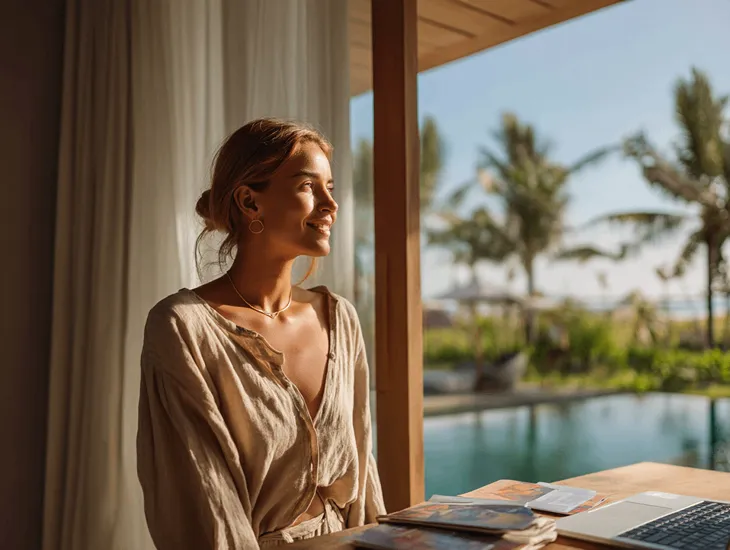
The Second Home Visa Indonesia is reshaping how foreigners live long-term in Bali and across Indonesia, giving stability without relying on tourist visas or constant renewals πΏ. This visa is ideal for individuals and families who want a legal long-stay lifestyle without opening a business or applying for employment permits. According to the Directorate General of Immigration, the aim is to support residency-based tourism and offer a safe, structured route for long-term settlement.
The visa supports retirees, remote workers, couples, and long-stay explorers seeking a peaceful lifestyle with a reliable visa path β¨. It does not require professional sponsorship β instead, it prioritizes legal residency for those able to maintain themselves in Indonesia. The Ministry of Tourism & Creative Economy highlights that long-stay visitors contribute more positively to cultural integration and sustainable tourism.
Growing international demand has already encouraged Indonesia to broaden eligibility to more nationalities π. The Ministry of Foreign Affairs confirms that simplified entry promotes smoother relocation and long-stay tourism in destinations like Bali, Jakarta, Yogyakarta, Bandung, and other major hubs. With this visa, foreigners can finally build long-term life routines β calmly and legally.
Table of Contents
- Why the Second Home Visa Indonesia supports long-term residency π
- How the Second Home Visa Indonesia enables lifestyle relocation β¨
- What documents applicants must prepare for the Second Home Visa Indonesia π§Ύ
- Real Story β how the Second Home Visa Indonesia helped a family relocate successfully β€οΈ
- How property owners, retirees, and digital nomads benefit from the Second Home Visa Indonesia π±
- Second Home Visa Indonesia β eligibility, fees, dependents, and airport procedures βοΈ
- Common mistakes with the Second Home Visa Indonesia and how to avoid issues β οΈ
- What long-stay residents should expect after activating the Second Home Visa Indonesia π
- FAQβs about the Second Home Visa Indonesia β
Why the Second Home Visa Indonesia supports long-term residency π
The Second Home Visa Indonesia provides a stable residency pathway without business ownership or employment. This gives foreigners time to build personal routines without fearing visa deadlines. It enables schooling, healthcare planning, wellness programs, and personal projects with peace of mind.
This visa was introduced to protect long-stay visitors from unpredictable immigration cycles that caused stress with tourist extensions π. It reassures residents that they can remain legally and respectfully without rushing paperwork.
As discussed later in Section 5, long-term presence also creates deeper engagement with local communities β benefiting both expats and Indonesia.
How the Second Home Visa Indonesia enables lifestyle relocation β¨
The Second Home Visa Indonesia encourages foreigners to build their daily life in Bali or other cities rather than remain tourists in temporary mode. It allows smooth transition into routines, friendships, and long-term cultural experiences πΊ. Many residents prefer this over short visas because it removes deadline anxiety.
This visa fits digital nomads, retirees, and families who are not ready for company formation but want legal residence. It supports talent, creativity, and lifestyle exploration in a healthy and respectful framework.
Relocation becomes less of a gamble and more of a structured life plan, reinforcing Indonesiaβs vision for sustainable long-stay tourism.
What documents applicants must prepare for the Second Home Visa Indonesia π§Ύ
The Second Home Visa Indonesia requires passport validity, financial proof, and clear residency intentions. Dependents such as spouses or children require legal relationship documents like birth or marriage certificates. Digital and printed copies reduce processing delays.
Names must match exactly across documentation for smooth airport clearance β¨. Payment methods, address confirmation, and future residence plans may be requested depending on the applicantβs profile.
Preparing early shows commitment to compliance and reduces the chance of stressful paperwork later.
Real Story β how the Second Home Visa Indonesia helped a family relocate successfully β€οΈ
When the Second Home Visa Indonesia launched, a Canadian couple who had visited Bali for 8 years finally decided to stop juggling tourist extensions. Their son struggled with school uncertainty due to constant visa timing pressure, and the family felt exhausted by paperwork.
After securing the Second Home Visa, they moved to a long-term rental, enrolled their son in school, and joined a volunteering community π‘. The relief of not worrying about renewals changed their emotional and financial life instantly.
Today they mentor other newcomers online, advising families to stop delaying legal residency if they want stability, connection, and calm.
How property owners, retirees, and digital nomads benefit from the Second Home Visa Indonesia π±
Holders of the Second Home Visa Indonesia often stay longer in their communities, supporting schools, wellness centers, coworking spaces, and rentals. Homeowners appreciate being able to enjoy their property without constant visa complications.
Retirees benefit from stable residency and relaxed scheduling π. Digital nomads gain emotional space to explore Indonesiaβs culture while remaining legally protected. Hotel and rental owners appreciate longer tenancy cycles.
As highlighted in Section 1, long-stay living supports respectful cultural integration while reducing visa stress and uncertainty.
Second Home Visa Indonesia β eligibility, fees, dependents, and airport procedures βοΈ
The Second Home Visa Indonesia requires financial eligibility to demonstrate responsible long-term living. Applicants may show assets, proof of income, or property rental depending on regulations. Dependents can join if documents match immigration requirements.
Airport arrivals become smoother when travelers prepare documents in advance πΌ. Officers may verify name consistency and family relationship details, which is normal and supportive.
Completing requirements before flying avoids stress and simplifies long-term settlement.
Common mistakes with the Second Home Visa Indonesia and how to avoid issues β οΈ
A frequent error is assuming the Second Home Visa Indonesia grants work rights. It does not β employment for Indonesian companies requires a different permit. Some applicants also underestimate processing time for dependents and rush documents last minute π¬.
Others misunderstand financial proof requirements, leading to delays. It is crucial to provide consistent documentation.
Planning ahead prevents conflict later and protects long-term residency goals for individuals and families.
What long-stay residents should expect after activating the Second Home Visa Indonesia π
The Second Home Visa Indonesia offers calm, legal residence for five or more years, turning visits into permanent lifestyle experiences. Residents begin forming deeper connections with cultural events, local organizations, and community activities.
Routine life becomes easier after immigration status is settled β school enrollment, banking, healthcare, and housing become predictable πΏ. Periodic verification from authorities is normal and protective.
Eventually, many residents explore property, language learning, and long-term future planning because visa pressure no longer controls their lives.
FAQβs about the Second Home Visa Indonesia β
-
Does the Second Home Visa permit working for Indonesian companies?
No, employment requires a work-authorized permit.
-
Can I add my spouse and children as dependents?
Yes, dependents are allowed with matching legal documents.
-
Is property ownership mandatory?
Not necessarily β financial eligibility may also apply.
-
Can retirees use this visa?
Yes, retirees are among the primary applicants.
-
Can this visa convert to permanent residency?
Not directly, but it supports long-stay legal settlement.


