



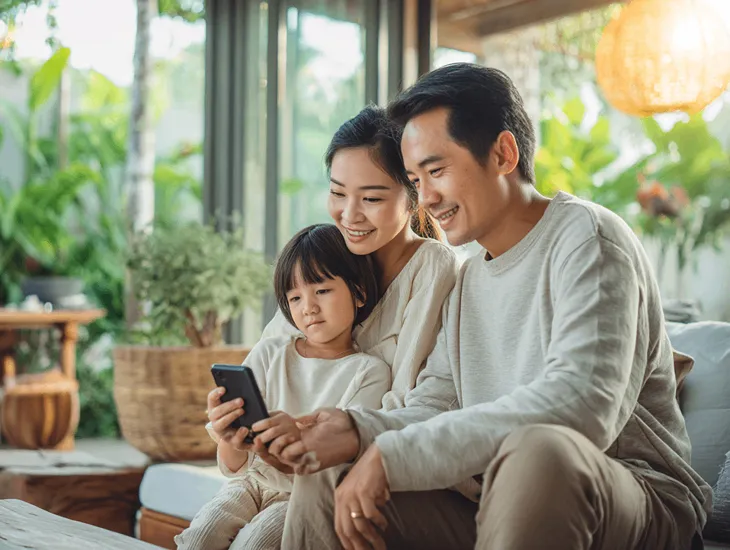


The Second Home Visa Indonesia is becoming the preferred pathway for foreigners who want to stay long term without establishing a business or employment arrangement πΏ. It gives legal residency for individuals and families seeking a stable life in Bali or other regions without relying on tourist visas or repeat border runs. According to the Directorate General of Immigration, this visa is designed for foreigners who wish to enjoy Indonesia as a permanent or semi-permanent home while remaining fully compliant with immigration rules.
The visa appeals to retirees, remote workers, property owners, and families seeking deeper integration into Indonesian life π. With eligibility linked to financial capability rather than business ownership, the Ministry of Tourism & Creative Economy explains that it supports longer stays, cultural immersion, and contribution to local communities and tourism economies. Many use it as a pathway to test long-term lifestyle before considering investment or property decisions.
The long-stay residency ecosystem is expanding β¨. The Ministry of Foreign Affairs confirms that more nationalities are expected to qualify under this visa, giving global residents the chance to live in Indonesia with security and dignity. With clear rules and longer validity, it is now easier to enjoy life in Indonesia without immigration stress.
Table of Contents
- Why the Second Home Visa Indonesia supports safe long-term living π
- How the Second Home Visa Indonesia encourages lifestyle relocation β¨
- What documents residents must prepare for the Second Home Visa Indonesia π§Ύ
- Real Story β how the Second Home Visa Indonesia helped a family build a new life β€οΈ
- How property owners, families, and retirees benefit from the Second Home Visa Indonesia π±
- Second Home Visa Indonesia fees, duration, asset requirements, and airport procedures βοΈ
- Common mistakes with the Second Home Visa Indonesia and how to avoid issues β οΈ
- What long-stay residents should expect after activating the Second Home Visa Indonesia π
- FAQβs about the Second Home Visa Indonesia β
Why the Second Home Visa Indonesia supports safe long-term living π
The Second Home Visa Indonesia creates a stable path for foreigners who want to live in the country long term without establishing a business. This avoids uncertainty caused by relying on tourist visas or repetitive extensions. It allows individuals and families to build their lives legally and predictably.
The visa supports the local ecosystem as foreigners gradually integrate through housing, community participation, and long-stay spending. This long-term presence benefits education, wellness, and residential sectors πΏ.
With clear eligibility, foreigners can relocate without fear of violating immigration rules, building deeper cultural connection and peace of mind.
How the Second Home Visa Indonesia encourages lifestyle relocation β¨
The Second Home Visa Indonesia appeals to digital nomads, retirees, and lifestyle movers who prioritize stability and connection. Instead of short tourist rounds, this visa encourages foreigners to build routines, form relationships, and explore areas beyond tourist zones.
Over time, long-stay residents support local communities through schools, wellness programs, coworking spaces, volunteer opportunities, and spiritual retreats πΊ. The sense of belonging becomes stronger.
This visa aligns with a growing shift in Bali toward respectful, slow-paced, and culturally engaged living rather than short-term tourism.

What documents residents must prepare for the Second Home Visa Indonesia π§Ύ
Applying for the Second Home Visa Indonesia generally requires passport validity, proof of financial capability, residency purpose clarity, and accommodation documentation. These details reassure immigration that the applicant intends to stay legally and responsibly.
Families should prepare additional papers to cover dependents, including birth or marriage documents where relevant. Digital and printed versions reduce delays during application and entry πΈ.
When documents match immigration expectations, arrivals are smooth and stress-free, giving residents time to settle comfortably.
Real Story β how the Second Home Visa Indonesia helped a family build a new life β€οΈ
When the Second Home Visa Indonesia launched, a JapaneseβItalian couple moved to Bali with their two children after years of feeling unsettled by constant visa runs. They wanted their kids to join school activities without fearing last-minute visa issues.
With the visa approved, they rented a long-term home, enrolled their children, and joined a local parent community. Emotional relief quickly replaced anxiety as they found routines and belonging π‘.
Now they mentor other families online, advising them to choose legal residency early rather than waiting for stress to accumulate.
How property owners, families, and retirees benefit from the Second Home Visa Indonesia π±
The Second Home Visa Indonesia benefits homeowners and long-stay residents by offering extended timeframes to enjoy their lifestyle investments. Families appreciate consistency for schooling and community participation. Retirees value predictable administration around health, housing, and travel.
The visa creates more responsible long-stay relationships between expats and local communities πΏ. It encourages respect, financial contribution, and collaboration β not short-term extraction.
This model positions Indonesia for a sustainable long-stay future where lifestyle and compliance coexist.
Second Home Visa Indonesia fees, duration, asset requirements, and airport procedures βοΈ
The Second Home Visa Indonesia involves financial eligibility and a structured validity period that can cover multiple years. Applicants may be asked to demonstrate asset or income capacity appropriate to long-term residence requirements.
Families can add dependents if documentation aligns with immigrationβs conditions. Starting applications early avoids stress and ensures processing doesnβt overlap with travel plans π‘.
Airport arrival procedures remain smooth for those who complete requirements beforehand and show intent to stay responsibly.
Common mistakes with the Second Home Visa Indonesia and how to avoid issues β οΈ
One common misunderstanding is assuming the Second Home Visa Indonesia is the same as a work visa. It does not allow employment for Indonesian companies; professional services require different permits.
Some applicants also overlook dependent rules or financial documentation requirements, delaying approval π¬. Others wait too long to finalize paperwork, risking rushed decisions.
Preparing intentionally β and applying early β ensures smooth residency and protects long-term plans.
What long-stay residents should expect after activating the Second Home Visa Indonesia π
The Second Home Visa Indonesia allows long-stay residents to live calmly, build friendships, and participate in local life without constant visa deadlines. Children can remain in schools without interruption, and adults can enjoy stable routines.
Housing, healthcare setup, banking, and everyday planning become easier after immigration is settled. Local authorities may verify residency documentation, which is normal and supportive πΌ.
Once settled, many residents explore long-term home plans, language learning, and community contribution β reflecting a balanced and lawful relocation experience.
FAQβs about the Second Home Visa Indonesia β
-
How long does the Second Home Visa allow residents to stay?
It supports long-term residency depending on validity period and renewal.
-
Does it allow employment in Indonesia?
No, it does not permit paid work for Indonesian companies.
-
Can dependents be added?
Yes, if documents match immigration requirements.
-
Is this visa suitable for retirees?
Yes, it is one of the most popular options for retirees.
-
Does it guarantee permanent residency?
No, but it provides long-stay stability and compliance.


