



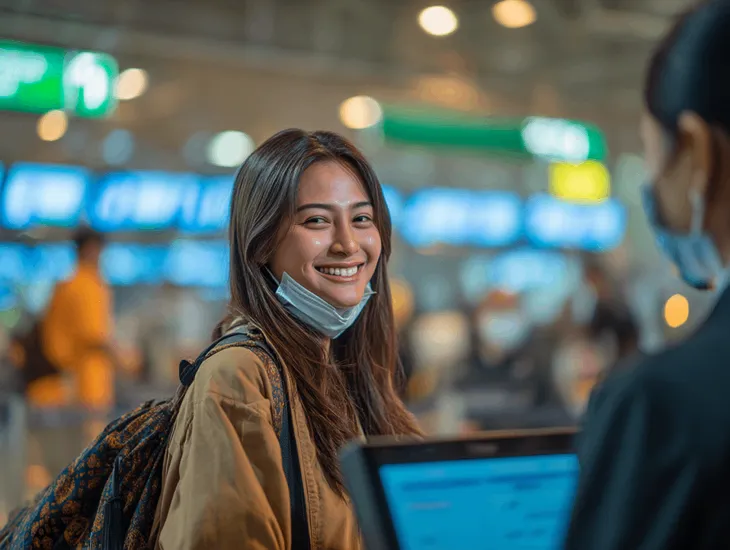

Indonesia’s decision to officially end its COVID-19 pandemic status marks a major shift for travelers, expats, digital nomads, families, and long-term residents navigating the country’s entry rules. The announcement, supported by updates from the Ministry of Health Indonesia, removes the last remaining national emergency measures and clarifies that Indonesia is transitioning fully into an endemic management approach. For millions of international visitors, this change means simplified requirements, fewer document checks, and a smoother travel experience.
The withdrawal of the pandemic status also streamlines mobility for KITAS holders, business travelers, and tourists entering through major airports and seaports. Updated guidelines from the Directorate General of Immigration indicate that health-related entry checks are now minimal, with a stronger focus on standard visa compliance rather than medical documentation. This shift is particularly beneficial for foreigners who previously had to prepare extra documents or respond to last-minute regulatory changes.
Travel agencies and relocation experts such as Bali Business Consulting report increased confidence among global travelers, many of whom postponed trips due to unpredictable rules. With stable policies and predictable processes now in place, foreigners can plan business visits, long-term stays, and family holidays with clearer expectations. This transition marks the beginning of a more open and accommodating era for travelers entering Indonesia.
Table of Contents
- Why Indonesia Ended Its COVID-19 Pandemic Status 💼🌏
- Who Is Affected by the End of Indonesia’s COVID Status 🔍📘
- How Travel Requirements Change After the Pandemic Status Ends 📄✈️
- What This Means for Expats, Digital Nomads, and Families 🌐🏠
- Impact on Long-Term Visas, KITAS, and Social Visa Holders 🛂📑
- Common Misconceptions About Indonesia’s Updated COVID Policies ⚠️📢
- What Happens at Airports Now That Health Screening Has Changed 🛃📋
- Real Story: A Foreigner Experiencing Indonesia’s New Entry Process Smoothly ✈️🌺
- FAQ — Updated Travel Rules, Entry Requirements, and Visa Considerations ❓📘
Why Indonesia Ended Its COVID-19 Pandemic Status 💼🌏
Indonesia’s decision to cancel its pandemic status reflects the country’s improved public health situation, lower hospitalization rates, and stronger immunity across communities. This shift also aligns Indonesia with global trends, as many countries have moved toward endemic management. For foreign travelers, the change signals a return to predictable travel planning without the uncertainty that characterized the last few years.
The end of pandemic status also stabilizes regulations for domestic tourism and regional mobility. Travelers no longer need to worry about sudden changes to entry rules, mandatory apps, or evolving health checkpoints. This creates a smoother experience for tourists, families, long-term visa holders, and digital nomads who previously had to prepare extra documentation. With this update, Indonesia aims to strengthen economic recovery, improve visitor confidence, and welcome more international tourism. ✨🌿
Who Is Affected by the End of Indonesia’s COVID Status 🔍📘
Everyone entering Indonesia is affected by this change, from short-term tourists to long-term residents. Visitors who previously needed proof of vaccination, test results, or health declarations will notice that these requirements have been minimized or removed. Families traveling with children, retirees returning after long absences, and regional Southeast Asian travelers all benefit from simplified arrival procedures.
Foreigners living in Indonesia on KITAS or social visas also see improvements. Their return from overseas trips becomes more efficient, with fewer documents to prepare and fewer risks of being delayed at immigration. Digital nomads planning extended stays no longer deal with varying mandates depending on the city or province. Overall, the cancellation of pandemic status unifies travel requirements and reduces administrative barriers for all types of foreign visitors. 🌍💳
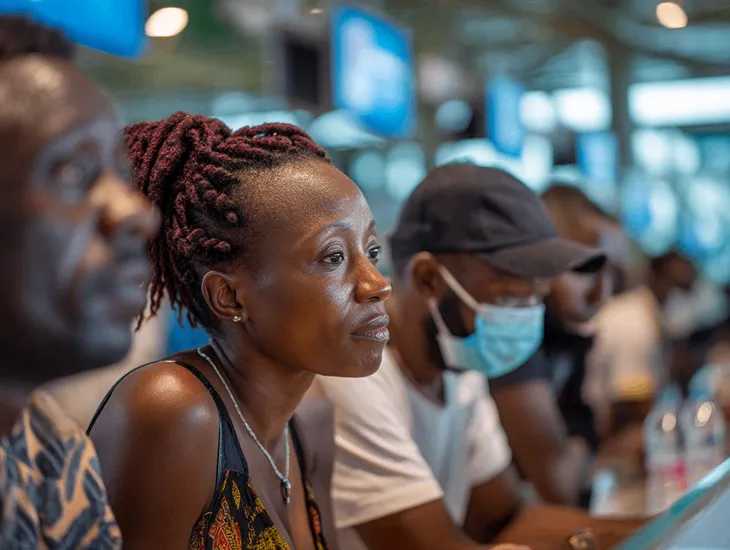
How Travel Requirements Change After the Pandemic Status Ends 📄✈️
Travel requirements now focus primarily on standard immigration documentation—passports, valid visas, and return or onward tickets. Previous health-focused steps such as digital health forms, vaccine checks, and mandatory mobile applications have been scaled back or removed entirely. This simplifies border entry and makes travel planning less stressful for first-time visitors.
Airlines also adjust procedures to reflect the new national policy. Passengers are no longer asked to provide extra medical proof at check-in, allowing smoother boarding and shorter processing times. Travelers with connecting flights experience fewer disruptions. With simpler entry steps, Indonesia becomes more accessible to global visitors seeking tropical holidays, long-term mobility, or relocation. The updated rules enhance convenience and reflect confidence in ongoing national health stability. 🌺💼
What This Means for Expats, Digital Nomads, and Families 🌐🏠
Expats returning from trips abroad enjoy a faster and more predictable re-entry process. They can travel without preparing multiple health documents or facing sudden changes in entry criteria. Digital nomads planning to stay for months find the updated rules more attractive, allowing them to arrive with fewer obstacles. These improvements encourage more long-term stays and contribute to Indonesia’s growing remote-work ecosystem.
Families benefit significantly from the removal of health processing requirements. Parents no longer need to coordinate medical documents for children or worry about last-minute regulation changes. Multi-generational travelers also find the entry experience smoother. With consistent, simplified procedures, Indonesia positions itself as a more family-friendly destination in the post-pandemic era. 🌴📘
Impact on Long-Term Visas, KITAS, and Social Visa Holders 🛂📑
Foreigners holding KITAS, business visas, retirement visas, and social visas benefit from uniform, simplified rules at airports across Indonesia. They no longer face additional health-based checks that used to vary between regions or entry points. This change reduces confusion, especially for frequent travelers managing visa renewals or border runs.
Immigration authorities now focus on visa accuracy, proper sponsorship, and document validity rather than health compliance. This shift enhances transparency and reduces the risk of misunderstandings during entry. For long-term residents, it means fewer unexpected delays and a more consistent experience nationwide. The transition to endemic management strengthens Indonesia’s appeal for expatriates seeking stability. 🧳🌿
Common Misconceptions About Indonesia’s Updated COVID Policies ⚠️📢
Some travelers believe that ending pandemic status means all restrictions disappear completely. In reality, Indonesia still reserves the right to adjust policies if global conditions change. However, current regulations emphasize mobility and convenience, not medical screening. Another misconception is that airlines may still require health documentation; yet most carriers follow Indonesia’s updated guidelines.
There is also confusion about whether domestic travel rules remain strict. While masks may still be encouraged in certain public areas, travelers are no longer subject to extensive checks at airports or ports. Understanding these clarifications helps visitors avoid unnecessary stress. The key is relying on official information rather than outdated online discussions. 📲✨
What Happens at Airports Now That Health Screening Has Changed 🛃📋
Upon arrival, travelers now experience streamlined processes. Immigration counters focus mainly on passport checks, visas, and documentation relevant to travel purpose. The absence of health verification lines reduces congestion, making arrival faster. Digital nomads, families, and frequent travelers see significant time savings, especially during peak travel seasons.
Airports have shifted from medical monitoring to operational efficiency. Officers prioritize document accuracy and visa compliance, which expedites movement through arrival halls. Travelers who maintain organized travel documents enjoy an even smoother experience. The updated procedures reflect Indonesia’s confidence in its health stability and long-term tourism strategy. ✈️🌺
Real Story: A Foreigner Experiencing Indonesia’s New Entry Process Smoothly ✈️🌺
A traveler from Canada arrived in Bali after months of delaying trips because of unpredictable regulations. Expecting long queues and inspection delays, she was surprised to see streamlined movement at immigration. She presented her passport, visa documents, and onward travel details, and officers processed her entry in minutes. The atmosphere was relaxed, with no additional health questioning or device checks.
Another traveler beside her, a digital nomad, mentioned that he had experienced stressful entry processes in previous years but now found the arrival experience effortless. Both noted that clarity in updated guidelines made them feel more confident about future visits. Their experiences show how the end of pandemic status simplifies travel and restores Bali’s reputation as an easy, accessible destination. 🌿📘
FAQ — Updated Travel Rules, Entry Requirements, and Visa Considerations ❓📘
-
Does Indonesia still require vaccine proof or test results?
No. The end of the pandemic status means vaccination certificates, test results, and digital health forms are no longer required for most travelers entering Indonesia.
-
Are there still health screenings at airports?
Only basic visual checks remain. Temperature scans and mandatory health verification points have been removed, allowing smoother entry for all visitors.
-
Do these changes affect visa rules?
Visa rules remain in place. Travelers must continue to follow standard visa requirements based on their travel purpose, but the process is now simpler without added medical steps.
-
Are domestic flights still affected by health regulations?
No major requirements remain. Some airlines may encourage masks in crowded cabins, but domestic travel is no longer restricted by COVID-related mandates.
-
Can the government bring back restrictions if needed?
Yes. Indonesia can reinstate health measures if global conditions shift drastically, but current policies focus on mobility, convenience, and predictable travel.
-
What is the biggest benefit for foreigners?
Smoother entry, predictable travel planning, and fewer documents to prepare. Expats, tourists, and digital nomads now enter Indonesia with far less complexity.


