



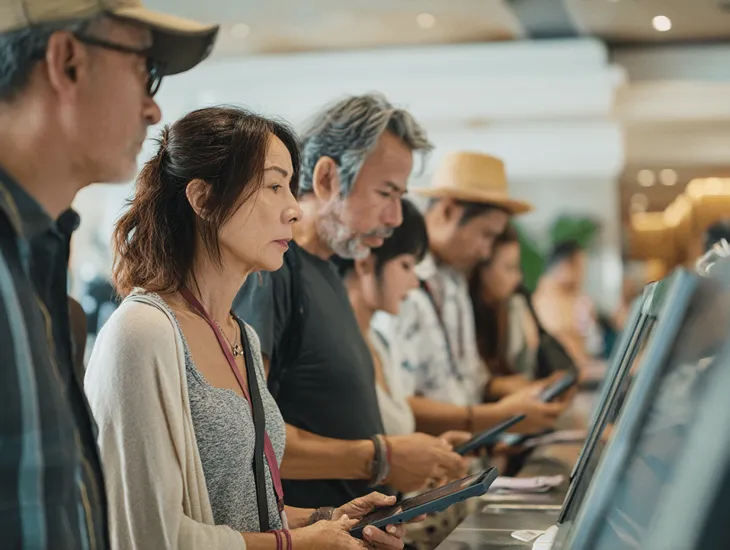


The new Bali tourist tax has become one of the most talked-about updates among travelers, digital nomads, families, and foreigners living in Indonesia. With increasing visitor numbers, the Bali Provincial Government introduced a standardized tourist levy to support cultural preservation, environmental maintenance, and public services. Many visitors worry the fee will disrupt their travel experience, but the process has been designed to be simple, transparent, and manageable for all types of travelers.
Confusion often comes from unofficial sources sharing outdated or misleading information, which is why confirmation from the Ministry of Tourism and Creative Economy helps travelers understand exactly who must pay, when, and how. The tax applies to most foreign tourists, including first-time visitors, frequent Bali travelers, long-term nomads, and even budget travelers who want to plan their spending accurately.
Early adopters report that payment verification is fast, usually integrated into checkpoints with digital receipts, while overstaying or late payment can lead to issues with immigration screening. Travelers concerned about compliance often consult professionals like Bali Business Consulting to avoid misunderstandings, especially if they plan to stay for extended periods or combine tourism with business activities. The clearer travelers understand this tax, the smoother their Bali experience becomes.
Table of Contents
- Why Bali Introduced a Tourist Tax in 2025 💼🌴
- Who Must Pay the New Bali Tourist Levy 🔍📘
- How the Tourist Tax Payment Process Works for Foreign Travelers 📄💳
- How the Tax Affects Digital Nomads, Families, and Long-Term Visitors 🌐🏠
- What the Tourist Tax Means for Bali’s Tourism Experience 🌺📊
- Common Misconceptions About the Tourist Tax and How to Avoid Issues ⚠️📢
- What Happens If You Don’t Pay the Tourist Tax at Entry Points 🛃📑
- Real Story: A Traveler Navigating Bali’s New Tourist Fee Smoothly ✈️🌺
- FAQ — Tourist Tax Rules, Payment Steps, and Visitor Requirements ❓📘
Why Bali Introduced a Tourist Tax in 2025 💼🌴
Bali’s rising visitor numbers have created more pressure on cultural sites, beaches, temples, and environmental zones. The tourist tax was introduced to help maintain these areas and ensure the island can sustainably support millions of visitors each year. Rather than being a penalty, the levy functions as a contribution to cultural preservation and essential public services that tourists depend on. Funds are directed toward waste management, tourism infrastructure, heritage protection, and environmental restoration.
The goal is simple: maintain Bali’s beauty without overburdening local communities. Travelers benefit from cleaner spaces, better facilities, and improved management of popular attractions. Many tourists initially worry this new requirement adds complexity to their trip, but the payment system has been designed to remain simple and accessible. Clear guidelines allow both short-term visitors and long-term digital nomads to comply without confusion. 🌏✨
Who Must Pay the New Bali Tourist Levy 🔍📘
The new tourist levy applies to most foreign visitors entering Bali through airports or seaports. It covers tourists on holiday, digital nomads staying for extended periods, families on vacation, and travelers making short regional trips. Exemptions are limited and typically relate to diplomatic groups or individuals on specific government-approved missions. Everyone else is required to make a payment and keep proof of it throughout their visit.
This requirement ensures consistency and fairness across all visitor types. Travelers are encouraged to complete payment online before arrival to streamline the process at entry checkpoints. Those who arrive without paying can complete it at designated counters, but pre-payment generally results in a smoother experience. Compliance protects travelers from delays and makes Bali’s visitor management more organized and transparent. 🌿💳
How the Tourist Tax Payment Process Works for Foreign Travelers 📄💳
The payment process has been designed to stay straightforward. Travelers can make the payment digitally using official platforms linked to Bali’s tourism system. After payment, visitors receive a digital receipt or QR code that must be presented during arrival checks. The system recognizes various international payment methods, making it convenient for travelers from different regions.
Upon arrival, officers may scan or visually verify the proof of payment. For families, each adult and child must be registered with their respective receipt. Travelers who visit Bali multiple times within a short period must pay the levy each entry unless stated otherwise in updated regulations. Keeping the digital receipt easily accessible prevents delays. Smooth processing at the airport creates a more organized entry experience for everyone. 💬✈️
How the Tax Affects Digital Nomads, Families, and Long-Term Visitors 🌐🏠
Digital nomads often stay in Bali longer than traditional tourists, and the tax ensures they contribute fairly to public services they use daily. Families benefit from improved tourist facilities such as cleaner beaches, better waste management, and safer public spaces. Long-term visitors using social visas or tourist visas must also participate in the levy each time they enter Bali.
The goal is not to restrict lifestyles or mobility but to strengthen sustainability. Nomads and long-stay residents rely heavily on Bali’s infrastructure, so their participation supports the long-term health of local communities. As Bali continues to refine its tourism strategy, this tax ensures that all visitors contribute proportionally to maintaining the island’s cultural and natural integrity. 🌺📘
What the Tourist Tax Means for Bali’s Tourism Experience 🌺📊
The introduction of the tax brings new standards to how Bali manages its tourism ecosystem. The additional funding helps enhance the visitor experience, creating cleaner environments, organized traffic systems, and better-preserved temples and historical sites. Modern travelers increasingly value destinations that balance tourism with sustainable development, and Bali’s policy reflects that direction.
The levy ensures Bali can maintain its reputation as a safe, welcoming, and culturally rich destination. While some travelers initially worry about extra steps, most find that the system is simple and unobtrusive. With digital payment options, airport signage, and clear verification steps, the new tax becomes a normal part of the travel process—similar to environmental or conservation fees in other global destinations. 🌿💼
Common Misconceptions About the Tourist Tax and How to Avoid Issues ⚠️📢
Many travelers hear inaccurate information from social media or informal groups. One common misconception is that the tax is optional; it is not. Another myth is that payment can be made anytime—yet late payment may cause issues at entry checkpoints. Some believe proof of payment isn’t necessary, but officers can request verification at any time.
To avoid issues, travelers should pay before arrival, save their digital receipt, and ensure each member of their group—including children—is registered. Budget travelers should remember that the levy is a one-time entry fee and not a recurring daily charge. Following official updates ensures tourists stay informed and avoid unnecessary stress during their travels. 📲🛫
What Happens If You Don’t Pay the Tourist Tax at Entry Points 🛃📑
Not paying the tourist levy can result in delays during the immigration and customs process. Officers may ask travelers to complete payment at the airport before allowing entry into Bali. Those who refuse or fail to comply may face denial of entry or complications with their travel records.
Digital verification tools are increasingly used to confirm payment faster, meaning incomplete documentation often triggers manual checks. For travelers on tight schedules, missing this step can disrupt plans or cause them to miss pickups or transfers. Paying early ensures a smoother arrival and avoids complications that could affect future visits. ✨🛂
Real Story: A Traveler Navigating Bali’s New Tourist Fee Smoothly ✈️🌺
A woman from Europe arrived in Bali with her family after hearing conflicting explanations online about the new levy. Unsure about the correct rules, she checked official sources and completed the payment digitally before departure. With the QR code saved on her phone, she approached the airport checkpoint confidently. Officers scanned the code instantly and directed her family through without delays.
Another traveler beside her had not paid before arrival and had to queue at the payment counter. The process added nearly half an hour to his entry time, causing him to miss his airport pickup. The contrast showed her how simple preparation prevents unnecessary stress. For families, nomads, and first-time visitors, this small step makes a major difference in the overall experience. 🌴📑
FAQ — Tourist Tax Rules, Payment Steps, and Visitor Requirements ❓📘
-
Who must pay the new Bali tourist tax?
Most foreign visitors entering Bali must pay the levy, including tourists, digital nomads, families, and long-term visitors on social or tourist visas. Only specific diplomatic or government-related travelers may be exempt.
-
When should the tourist tax be paid?
Travelers should ideally pay before arrival using the official digital system. Paying early ensures smoother entry and avoids delays at airport checkpoints.
-
How do travelers show proof of payment?
A digital receipt or QR code is issued after payment. Travelers should keep it accessible, as officers may verify it at immigration or other checkpoints.
-
Does the tax apply to every day of stay?
No. The levy is charged once per entry into Bali, not per day. Each new arrival requires a fresh payment.
-
What happens if someone arrives without paying?
They must pay at designated airport counters before being allowed entry. Refusing or failing to comply can lead to entry denial or longer processing times.
-
Do children need to pay the tourist tax?
Yes. The levy applies to minors as well. Each child must be registered and included in the digital receipt or confirmation.


