



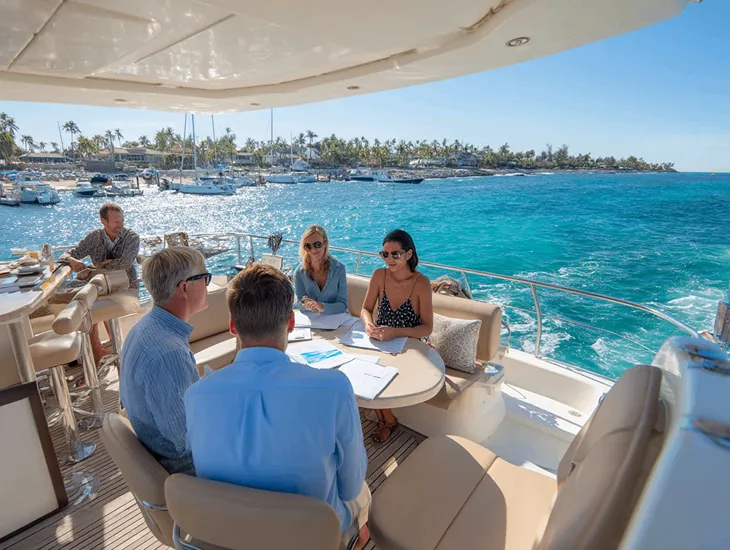


For decades, Indonesia remained a sleeping giant in the global maritime industry, often bypassed by superyacht captains in favor of Thailand or Singapore due to complex bureaucracy and a lack of world-class infrastructure. High-net-worth individuals and investors viewed the archipelago’s 17,000 islands as a dream destination that was essentially “too hard” to navigate legally or logistically. The absence of a dedicated full-service marina meant that high-value vessels had nowhere to dock, fuel, or provision reliably, leaving a massive gap in the market.
Fast forward to 2026, and the landscape has shifted dramatically. With the completion of major infrastructure projects and a decisive pivot in government policy, the island is rapidly transforming into Asia’s premier hub for luxury maritime tourism. The convergence of the new Bali Maritime Tourism Hub and streamlined regulatory frameworks has dismantled the old barriers, creating an unprecedented “blue ocean” opportunity for investors and operators alike.
Today, the sector for Bali Private Yacht & Boutique Cruises is not just emerging; it is accelerating. Whether you are a private owner looking to homeport a vessel or an entrepreneur eyeing the lucrative boutique expedition market, the conditions are finally ripe. This guide explores the structural, legal, and economic factors driving this boom and how you can position your business to capitalize on Indonesia’s maritime awakening. Ministry of Tourism and Creative Economy
Table of Contents
- Hard Proof: The Bali Gapura Marina Revolution
- Policy Tailwind: Luxury Marine Tourism as a Priority
- Evolving Rules: The Yacht-ERS Advantage
- Strategic Advantages for Boutique Operations
- Real Story: Navigating the Phinisi Charter Boom
- Business Setup and Licensing for Foreigners
- Market Demand: The Asia-Pacific Surge
- Practical Essentials Checklist
- FAQ's about Bali Private Yacht & Boutique Cruises
Hard Proof: The Bali Gapura Marina Revolution
The single biggest obstacle to the growth of the Indonesian yacht charter market was physical: there was simply nowhere to park a superyacht. That changed with the development of the Bali Maritime Tourism Hub in Benoa. Developed by PT Marina Development Indonesia (MDI) in collaboration with Pelindo, the Bali Gapura Marina (formerly Benoa Marina) is now the archipelago’s first true international standard superyacht harbour.
As of Q3 2026, the marina offers approximately 180 berths, with specific capacity for over 50 superyachts up to 90 metres in length. This is a game-changer. Previously, large vessels had to anchor offshore, dealing with swell and difficult tendering logistics. Now, they have access to shore power, high-speed fueling, and integrated customs and immigration facilities right on the dock. For the Indonesian luxury yachting industry, this infrastructure provides the operational certainty required to base fleets here permanently rather than just passing through.
Policy Tailwind: Luxury Marine Tourism as a Priority
The rise of Bali luxury marine tourism is not accidental; it is a core component of Indonesia’s national economic strategy. The government has explicitly targeted high-spending international visitors to push the tourism sector’s contribution toward 5% of GDP by 2029. The Bali Maritime Tourism Hub is the crown jewel of this initiative, designed to put Indonesia firmly on the global yachting map.
This shift is visible in the relaxation of the luxury goods tax (PPnBM) on foreign-imported yachts, a policy reform under PP 61/2020 that removed a massive financial deterrent. By lowering the cost of entry for importing vessels, the government has stimulated the brokerage and charter market. For investors, this signals that the state is a partner rather than an obstacle in the development of boutique expedition vessels.

Evolving Rules: The Yacht-ERS Advantage
Bureaucratic friction was the second major hurdle, but the introduction of the Yacht-ERS (Electronic Registration System) has streamlined the process significantly. Foreign-flagged yachts can now apply online for a Vessel Declaration (VD), which acts as a temporary import permit.
This declaration can be valid for up to one year and is extendable to a total of three years. This means a vessel can cruise the archipelago for extended periods without needing to exit and re-enter, a massive logistical win for private Phinisi charters itineraries. Furthermore, clearance procedures have been centralized. Once a yacht clears in at a primary port like Benoa, they no longer face the arduous task of processing full clearances at every subsequent small port, making multi-island expeditions viable and enjoyable.
Strategic Advantages for Boutique Operations
While mega-cruise ships are limited to a handful of deep-water ports, the geography of Indonesia is perfectly suited for Bali Private Yacht & Boutique Cruises. The archipelago’s charm lies in its shallow bays, remote beaches, and protected marine parks like Komodo and Raja Ampat—areas accessible only by smaller draft vessels.
Bali serves as the perfect turnaround port for these boutique expeditions. It offers the international air connectivity required for high-net-worth guests to fly in, the luxury hospitality infrastructure for pre-cruise stays, and now, the marina facilities for vessel maintenance and provisioning. Operators of the Benoa superyacht hub can run one-way or return itineraries to the Lesser Sunda Islands, offering a product that combines the luxury of a 5-star hotel with the adventure of an expedition, a combination that mass-market cruise lines cannot replicate.
Real Story: Navigating the Phinisi Charter Boom
In 2024, “Elena,” a French hospitality entrepreneur based in Seminyak, decided to diversify her portfolio. She purchased a traditional 35-meter Phinisi schooner, intending to enter the high-end charter market. Initially, she attempted to operate under a simple representative office structure, believing she could manage the vessel as a personal asset while accepting “donations” from guests to cover costs.
The Reality Check: Six months in, during a docking in Labuan Bajo, her vessel was inspected by Syahbandar (Harbormaster) officials. They flagged that her “guests” were effectively charter clients, and her entity lacked the specific maritime transport license (SIUPAL) required for commercial operations. She faced the seizure of her vessel and potential deportation.
The Turnaround: Elena immediately halted operations and engaged legal counsel to restructure. She established a dedicated PT PMA (Foreign Direct Investment Company) for marine tourism and obtained the correct commercial vessel registration. By 2026, her company, “Nusantara Voyages,” runs fully compliant luxury charters. The transition cost time and money, but her fleet now operates legally, capitalizing on the high demand for private maritime expeditions without the fear of raids. Her story underscores that while the opportunity is huge, compliance is non-negotiable.
Business Setup and Licensing for Foreigners
For foreign investors looking to enter the Bali luxury marine tourism market, the legal vehicle of choice is the PT PMA. This structure allows foreign ownership and is necessary to obtain the requisite business identification numbers (NIB) and commercial licenses.
Operating a commercial charter business involves navigating two main regulatory bodies: the Ministry of Transportation (for vessel safety and maritime operations) and the Ministry of Tourism (for hospitality standards). Additionally, tax compliance is critical. Charter income is subject to specific tax rates, and corporate profit tax applies. Mismanaging VAT on high-value vessel transactions can be disastrous. For operators dealing with significant assets, engaging a trusted tax management company is essential to ensure that your corporate structure and tax reporting are watertight from day one.
Market Demand: The Asia-Pacific Surge
The timing for launching private Phinisi charters could not be better. The Asia-Pacific luxury yacht market is estimated at approximately USD 2 billion and is projected to grow at a CAGR of over 6% through 2034. This growth is driven by a rising affluent class in Asia and a shift in Western travel preferences toward private, secluded, and experiential travel.
In Bali specifically, local agents report a surge in inquiries for day charters to Nusa Penida and week-long charters to Komodo. The market is moving away from crowded tourist boats toward exclusive, private experiences. Bali Private Yacht & Boutique Cruises are perfectly positioned to capture this demand, offering privacy and bespoke service that mass tourism cannot provide.
Practical Essentials Checklist
If you are planning to enter the Indonesian yacht charter market, ensure you have ticked these boxes:
- Corporate Structure: Have you set up a PT PMA with the correct KBLI (Standard Industrial Classification) for maritime transport or tourism?
- Vessel Import: If bringing a foreign boat, have you utilized the Yacht-ERS for a Vessel Declaration, or are you permanently importing it under the new tax incentives?
- Berthing: Have you secured a berth at the new Bali Gapura Marina to ensure logistical support?
- Crewing: Do your foreign crew members hold the appropriate visas, and have you met the local crew ratios required by law?
Insurance: Does your marine hull and liability insurance cover commercial charter operations in Indonesian waters?
FAQ's about Bali Private Yacht & Boutique Cruises
-
Can foreign-flagged yachts legally charter in Indonesia?
Generally, foreign-flagged vessels are restricted from commercial domestic chartering (cabotage laws). To legally offer boutique expedition vessels for commercial gain, the vessel usually needs to be imported and registered under an Indonesian entity (PT PMA) or operate under specific temporary commercial permits, though regulations are evolving.
-
What is the Yacht-ERS system?
Yacht-ERS is the Electronic Registration System used by the Indonesian government to process Vessel Declarations (VD). It allows foreign yachts to enter Indonesia for tourism purposes for up to 3 years without paying import duties, provided they are not used for commercial chartering during that time.
-
How much does a berth cost at the new Bali Gapura Marina?
While prices fluctuate, as of 2026, premium berths for superyachts are competitive compared to Singapore or Phuket. Rates vary by vessel size and duration of stay, but the marina is positioning itself to attract long-term tenants.
-
Do I need a special license to run a boutique cruise business?
Yes. You cannot run a cruise business on a personal basis. You need a corporate entity (PT PMA), a Business Identification Number (NIB), and specific tourism and maritime transport licenses (SIUPAL or equivalent) depending on your business model.
-
Is it safe to invest in the Bali yacht market now?
With the completion of the Bali Maritime Tourism Hub and the government’s clear focus on the blue economy, the structural risks have decreased significantly. The demand for private yacht charters is high, making it a viable sector for professional investors.


